
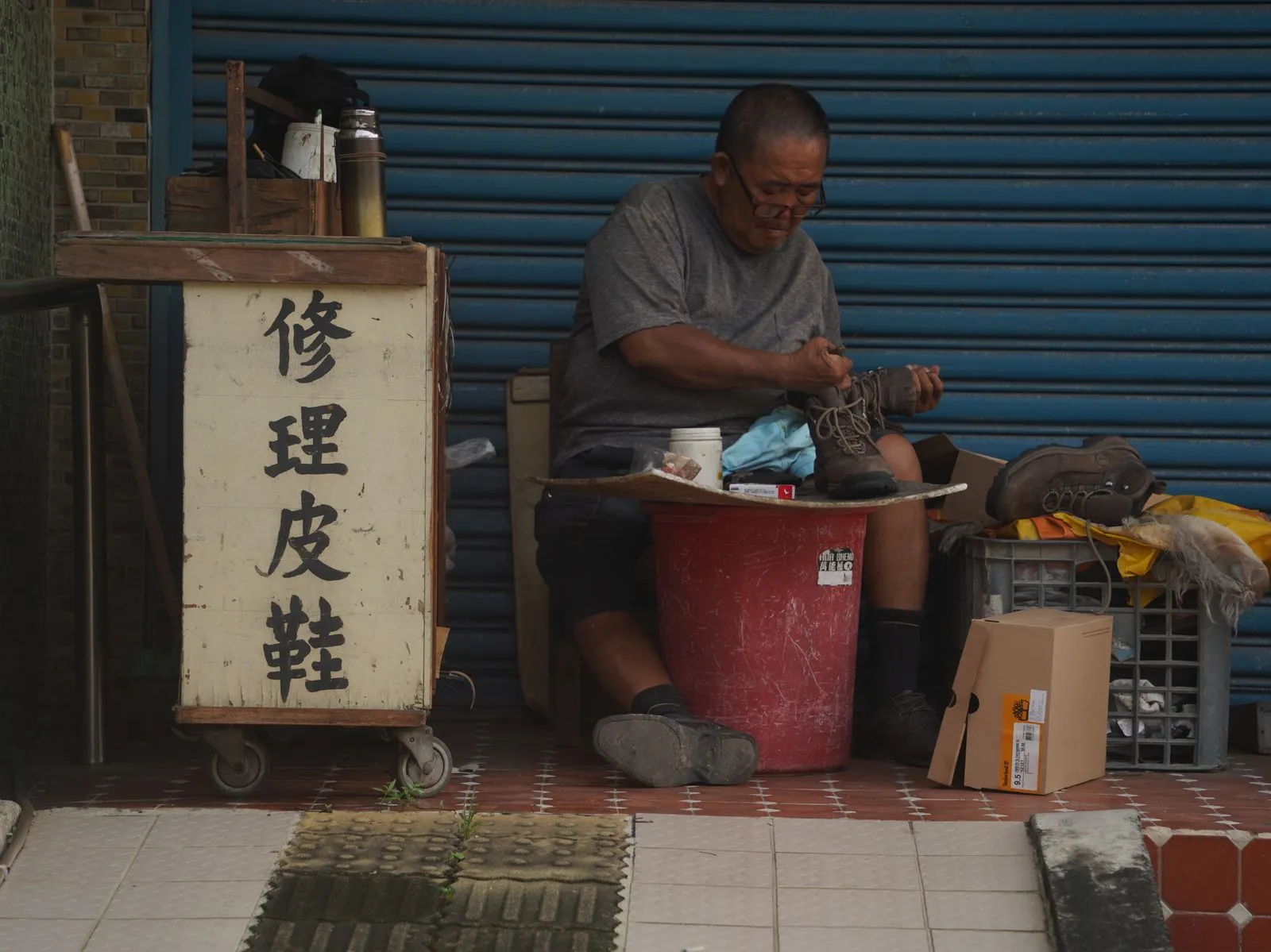
Wet shoes are not always ruined. The outcome depends on the material, how long the shoes stayed wet, and whether the water caused stains, warping, loose soles, or odor. Acting carefully can prevent additional damage while the shoes dry. Avoid quick fixes like placing them near a heater, which can crack leather or distort other materials. Once dry, check the shoes for changes in shape, construction, and comfort to decide whether a repair shop should assess them.
What to Do Right Away
Remove the insoles and laces if they come out easily. Blot the outside and inside with a clean towel rather than rubbing, which can spread stains or scuff softened surfaces. If the shoes are muddy or exposed to dirty water, gently remove surface debris with a damp cloth. Do not soak them again or use household cleaners unless the care instructions say they are safe.
Let shoes air-dry at room temperature in a ventilated place. Keep them away from direct sunlight, radiators, hair dryers, and other intense heat. Loosely fill them with plain, absorbent paper to help draw out moisture and support their shape; replace the paper when it becomes damp. Avoid printed paper that could transfer ink, and do not pack the shoes so tightly that they stretch.
Check the Material and Damage
Leather can stiffen, develop water marks, or lose some of its finish after getting wet. Suede and nubuck may show flattened nap, darker patches, or tide lines. Fabric and synthetic shoes can often be cleaned more simply, but prolonged soaking may affect cushioning, adhesives, or the shape of the upper. The material and shoe construction matter as much as the amount of water.
After the shoes are fully dry, look for soles lifting at the edges, separated seams, misshapen toe boxes, cracked or peeling surfaces, and persistent odor. Check both shoes, even if only one looks damaged. If the shoes feel unusually stiff, rub against your feet, or have a loose sole, avoid wearing them until you know whether the structure is secure.
What a Repair Shop May Fix
A shoe repair shop may be able to reattach a sole, repair a seam, replace a heel component, or reshape parts of a shoe that have lost their form. A professional may also be able to clean or condition suitable leather and address some water marks. The right approach depends on the material, the shoe’s construction, and whether the damage has weakened the shoe.
Some problems have limits. Deep stains, color changes, cracked leather, damaged coatings, and odors from contaminated water may not come out completely. If the shoe’s lining, cushioning, or bonded layers have deteriorated, repair may not restore its original comfort or durability. Ask the shop to inspect the shoes before applying polish, conditioner, dye, or waterproofing products; the wrong product can make later treatment harder.
When to Get an Assessment
Bring the shoes in once they are dry, or contact a repair shop for guidance if the soles are separating, the shoes have changed shape, or you are unsure how to clean a delicate material. Mention what kind of water they encountered and how long they were wet. That information can help the repairer choose a suitable cleaning or repair method.
For future protection, ask which waterproofing treatment fits the shoe material and how often it needs attention. Waterproofing can reduce exposure, but it does not make every shoe fully waterproof or prevent damage from deep soaking. Follow the product or repairer’s care instructions, and test any home treatment on a small, inconspicuous area first.
Many water-damaged shoes can be improved, especially when you dry them slowly and avoid heat or harsh cleaning. Structural issues such as loose soles and open seams are worth having assessed, while stains and material changes may be harder to reverse. If you are unsure, contact Crescent City Shoe Care to ask whether your shoes are suitable for repair.